
🌍 Also available in: 🇫🇷 Version française · 🇸🇳 Wolof (coming soon)
⏱ 7 min read

📍 Nder, Senegal — National Women’s Week, March 2026.
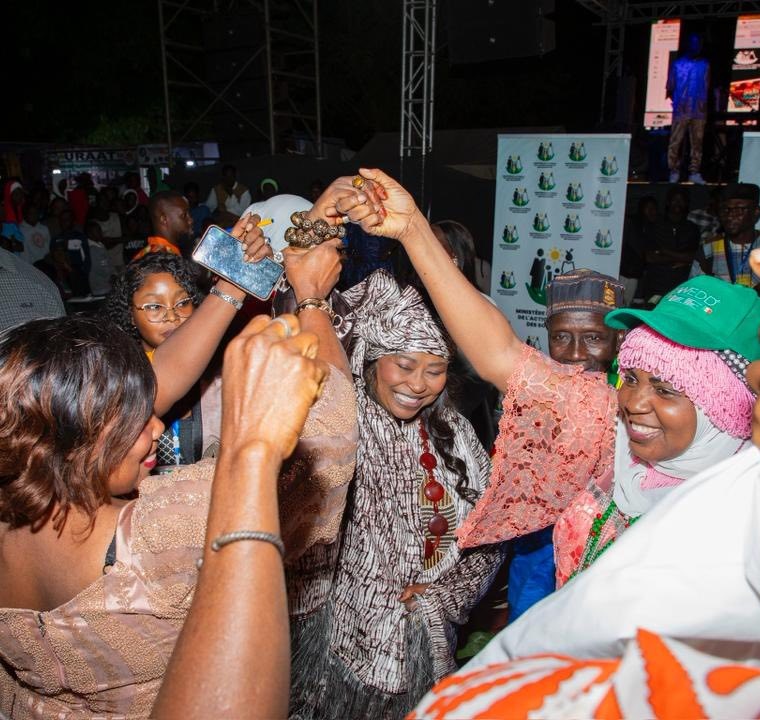
During her national tour, Minister Maïmouna Dièye traveled to Nder, a town in the Waalo region where, 206 years ago, women committed one of the most powerful acts in African history. Village women reenacted the scene before her eyes. She left transformed.
A few days ago, in Nder, I watched this history come alive before my eyes. Women from the village reenacted the scene. The house. The circle. The fire. I left transformed.
It was that shock — that shiver of recognition — that convinced me this story can no longer remain confined to historians’ circles. It belongs to all Senegalese people. And especially to our daughters.
The Queen and the impossible choice
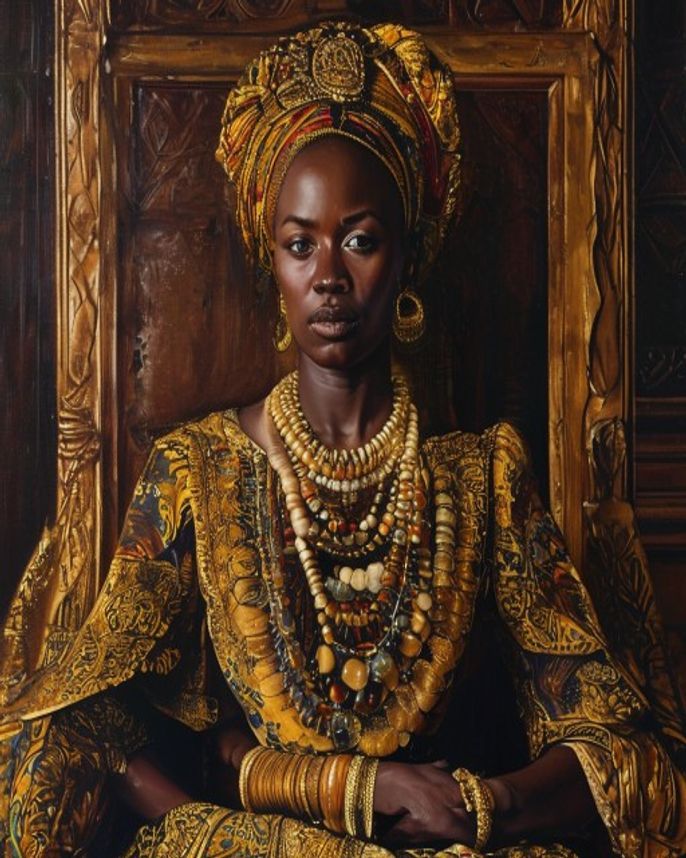
On March 7, 1820, while the men were at war, the Trarza Moors and the Almamy of Fouta marched on Nder. Their goal: to capture slaves and destroy the Waalo-France alliance.
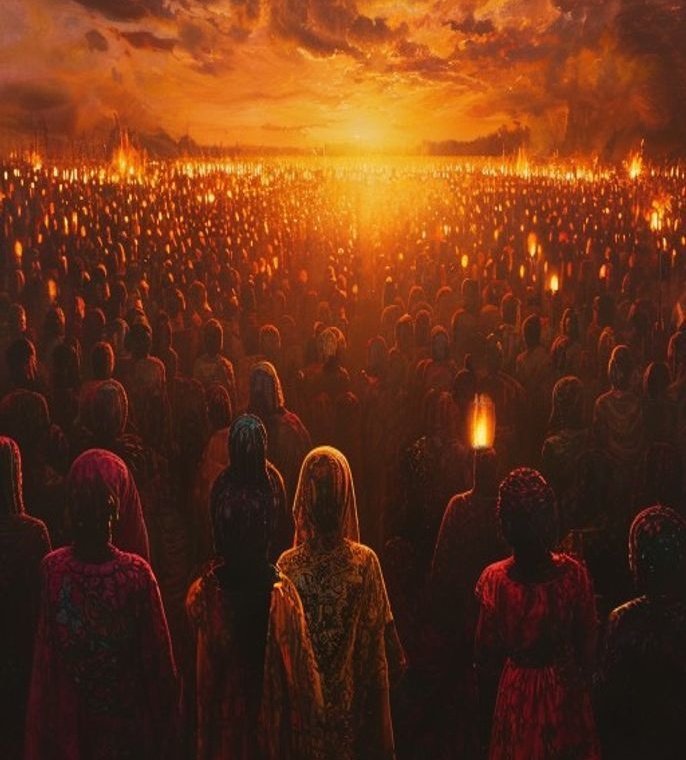
Queen Fatim Yamar Khouryaye Mbodj sent her two daughters to safety to preserve the royal lineage. Then she gathered every woman left in the village. Two choices stood before them: be captured, enslaved, erased — or choose their own fate.
« We will not be their prize »
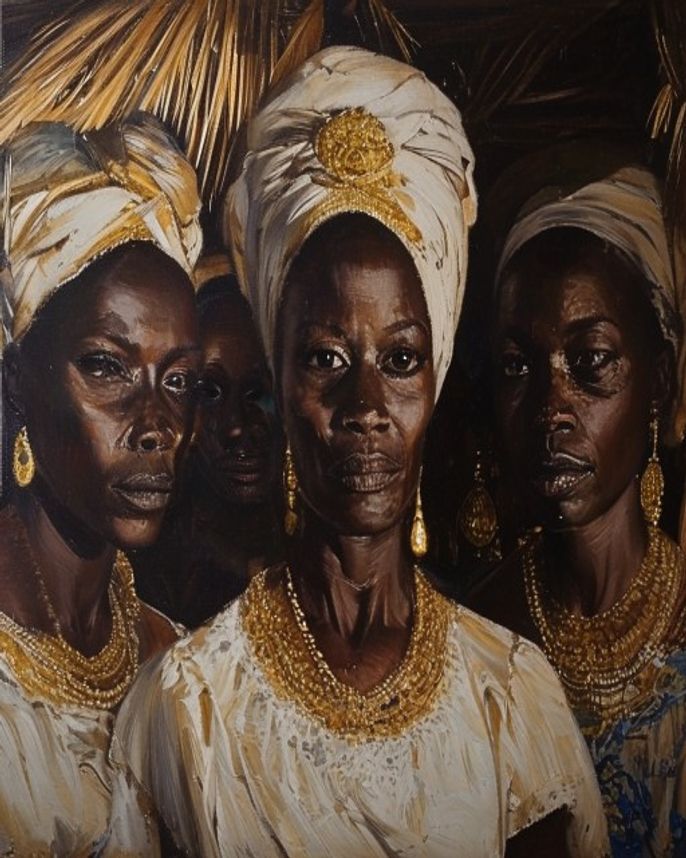
They were inside the house. The enemy was at the gate. In slavery lay the death of identity, the severing of lineage, the erasure of everything they were.
« We will not be their prize. »
The Women of Nder — March 7, 1820
These words — spoken or not — sum up the act that followed. An act that would enter history as one of the most radical acts of resistance ever made against slavery in West Africa.
To die free — the most radical act
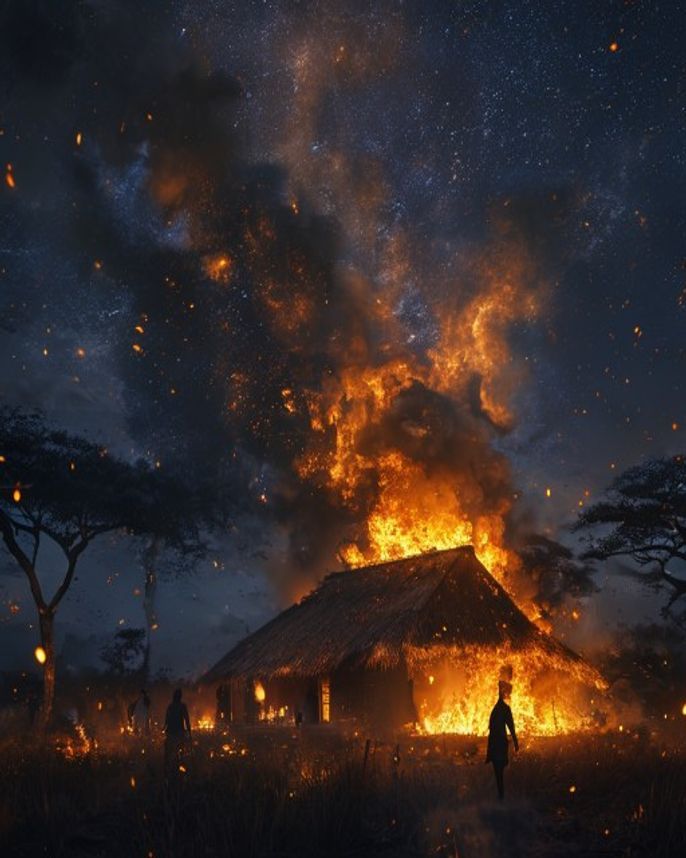
They set fire to the house themselves. The queen first. Every one of them.
This was not surrender. It was an act of absolute sovereignty — a refusal to be owned, a lesson in dignity that every girl deserves to know by heart. They denied the enemy his human prize. They chose their name, their lineage, their honor — beyond life itself.
This act is not a footnote. It is the most radical act of resistance in Senegalese history. And it was carried out by women.
A legacy that still burns
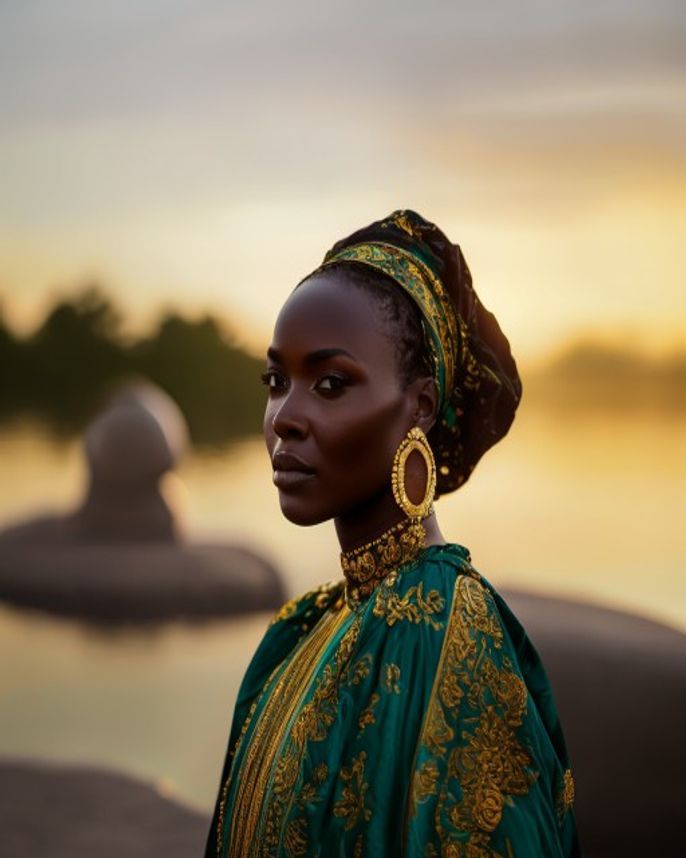
The queen’s two daughters — Ndieumbeut and Ndaté Yalla Mbodj — survived. Ndaté Yalla Mbodj became the last queen of Waalo, resisting French colonization until 1855.
The spirit of Nder never died. It burns still — passed down through generations in the memory of the Waalo people, in songs, in the names mothers give their daughters.
Why this story must live beyond historians’ circles
Because our daughters need role models rooted in their own land, their own history, their own language — not only in imported narratives.
Because in a world struggling to preserve its values, the women of Nder remind us what honor, solidarity and collective courage truly mean. These values are not abstract. They have an address, a date, and names.
Because values are not passed on by decree. They are passed on through living memory — through the stories we choose to elevate, the days we choose to institute, the names we choose never to let disappear.
📣 Join the advocacy
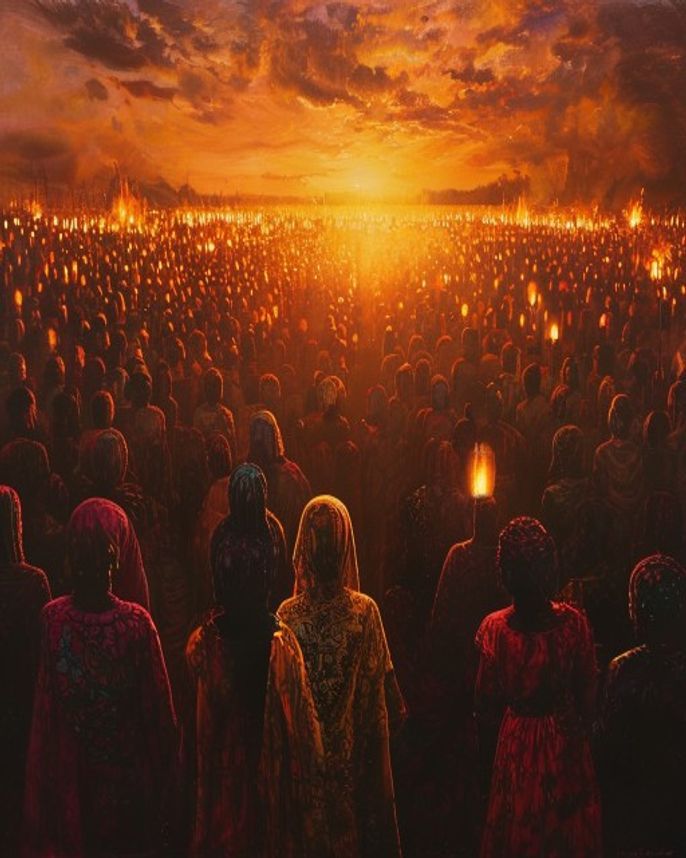
March 7 must become a National Day.
A day to remember. To educate. So that every Senegalese woman knows where her strength comes from. Senegal must lead all nations in honoring its heroines.
#TalaatayNder · #March7NationalDay · #WomenOfNder 🇸🇳